LANDSCAPE PROJECTS
Updated 2nd Edition
Stonework, Plantings, Water Features, Carpentry, Fences

Contents
| Introduction | 7 | ||||||||||||||||||||||||||||||||||||||||||||||||
|---|---|---|---|---|---|---|---|---|---|---|---|---|---|---|---|---|---|---|---|---|---|---|---|---|---|---|---|---|---|---|---|---|---|---|---|---|---|---|---|---|---|---|---|---|---|---|---|---|---|
| LANDSCAPE DESIGN | 9 | ||||||||||||||||||||||||||||||||||||||||||||||||
| Design Principles | 10 | ||||||||||||||||||||||||||||||||||||||||||||||||
| Landscaping Styles | 16 | ||||||||||||||||||||||||||||||||||||||||||||||||
| PATHWAYS | 69 |
|---|---|
| Designing Paths & Walkways | 71 |
| Loose Rock Landscape Path | 74 |
| Steppingstone Landscape Path | 80 |
| Cast Concrete Steppers | 84 |
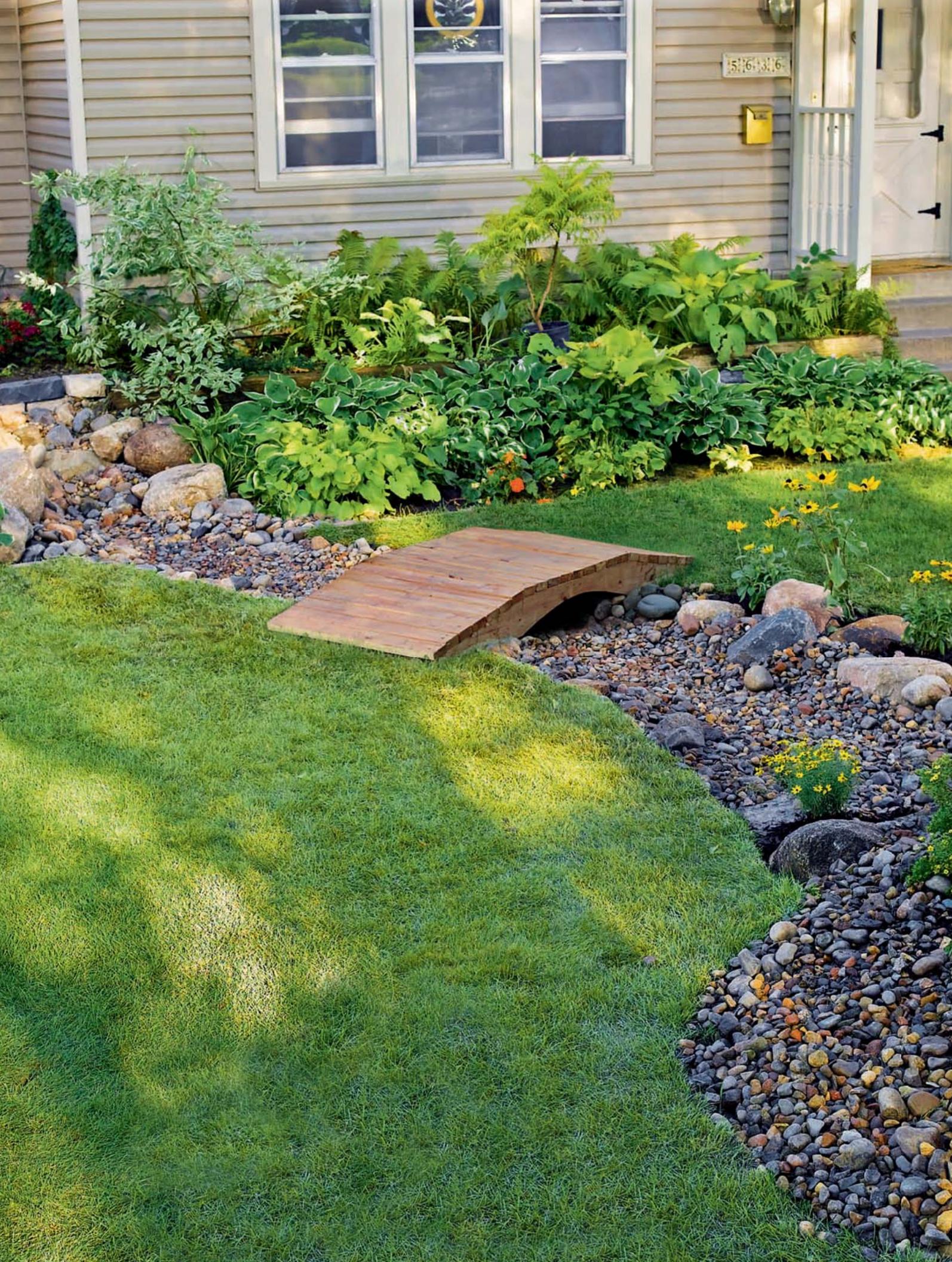
| Arroyo | 88 |
| Classic Garden Bridge | 92 |
| Split Rail Fence | 156 |
|---|---|
| Wood Composite Fence | 160 |
| Vinyl Panel Fence | 164 |
| Ornamental Metal Fence | 168 |
| Bamboo Fence | 172 |
| WATER FEATURES | 177 |
| Designing Water Features | 178 |
| Hard-Shell Pond & Fountain | 180 |
| Small Gazing Pond | 186 |
| Waterfall & Pond | 190 |
| ENTERTAINMENT PROJECTS FOR LANDSCAPES | 201 |
| Backyard Fireplace | 202 |
| Backyard Fire Pit | 210 |
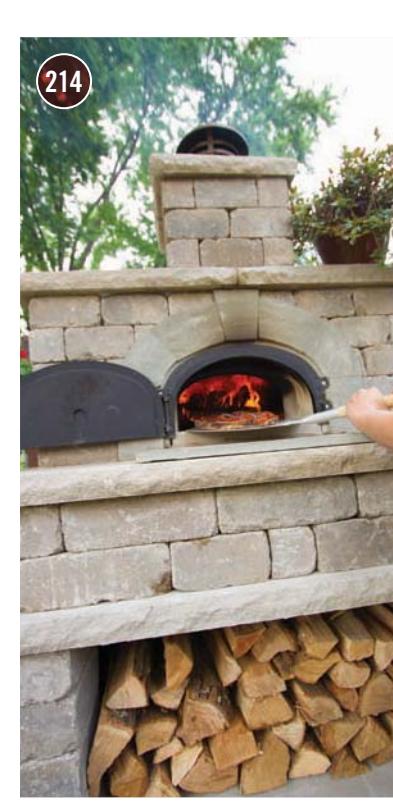
| Outdoor Brick Oven | 214 |
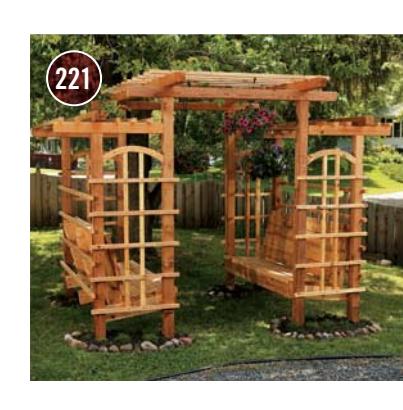
| Arbor Retreat | 220 |
| Metric Conversions | 232 |
| Resources | 234 |
| Photo Credits | 234 |
Introduction
Landscape is a fairly broad word that, quite frankly, most homeowners don’t use very often. We don’t throw landscape barbecues on summer holidays. We don’t fire up the riding lawn tractor and mow the landscape on Saturday mornings. In fact, if you ask most homeowners to show you the landscape, they’ll probably direct you down the road to the nature preserve or disappear inside to find their favorite coffee table book from the horticultural society. So why is this book, which is intended for homeowners who love DIY, called Landscape Projects? Why not Backyard Projects or Yard & Garden Projects or Cool Things to Do with Your Lawn?
The answer is largely one of convenience. Yard and lawn and garden are all terms we use routinely to refer to our surroundings, but no single one of them fully captures the totality of our outdoor living spaces. Landscapes include plantings, turf grass, old trees, and new shrubs. But they also include patios, fences, decks, and garden walls. Yours may feature a vegetable garden, statuary, a doghouse or two, or even a couple of old Fords on blocks. In short, if it is part of the visual environment outside the doors and windows of your home, it’s part of your landscape. And, in practical terms, this means that your goal of creating an awesome yard and garden is truly a matter of good landscaping.
In Complete Guide to Landscape Projects you’ll find a wealth of projects that draw from just about every imaginable yard and garden element you can think of (with the possible exception of old Fords on blocks). Border and accent plantings, lawn care, building patios and pathways, creating arbors, sunscreens, and windscreens are all covered. So are some more unusual projects, such as making fire pits or wood-fired ovens. Along with the clear step-by-step instructions and photos you’ll find for these and dozens of other projects, you’ll also get just the right guidance you need to make decisions about which projects make sense for you. The result will be an outdoor living space that meets the practical needs of your family and looks exactly as wonderful as you’d like it to. And who knows—with some planning and careful work, you might be so pleased with the outcome that you really do invite your friends to stop over for a little landscape picnic.
Landscape Design
A home landscape is an outdoor living area that is developed element by element. It is a space that should be as well designed as any room in your house. As such, the act of landscaping your yard is to purposefully create your own environment, and often the key to this is to select a theme that follows certain principles. The theme can be wild or formal, subtle or bold. It isn’t critical that you follow your themes dogmatically, but from a design viewpoint you’ll be glad you chose one.
In this chapter:
- Design Principles
- Landscaping Styles
The principles of landscape design center around five basic elements: line, form, mass, texture, and color. The first three are the backbone. The last two are the skin and clothes that add visual richness and depth. Like everything else in a landscape design, lines should be intentional; curving lines are less formal, and guide the eye, providing a sense of motion and action. Straight lines and angles are a more formal approach. They are a great way to succinctly organize the landscape or replicate lines in the home’s architecture or natural lines in the topography.
A mix of plant shapes, heights, and forms adds visual interest to any landscape. Most often, you’ll use natural shapes to complement or contrast one another. You can, however, use repetitive plantings to create a pleasing rhythm within the landscape. Texture and color should be threads you run through the design, deliberately placed to complement or contrast other colors or textures.
That all may sound a bit fancy and academic, but it’s not. It boils down to this—you build a successful landscape one piece at a time. Your theme guides your decisions, including path style, plants, surfaces, and all the other choices you make for the landscape. Theme even determines the best accents to finish your design—from water features to statuary, structures such as arbors and gates, and ornaments such as gazing balls or sundials. You’ll see a few of these principles and ideas shown clearly on the following few pages.
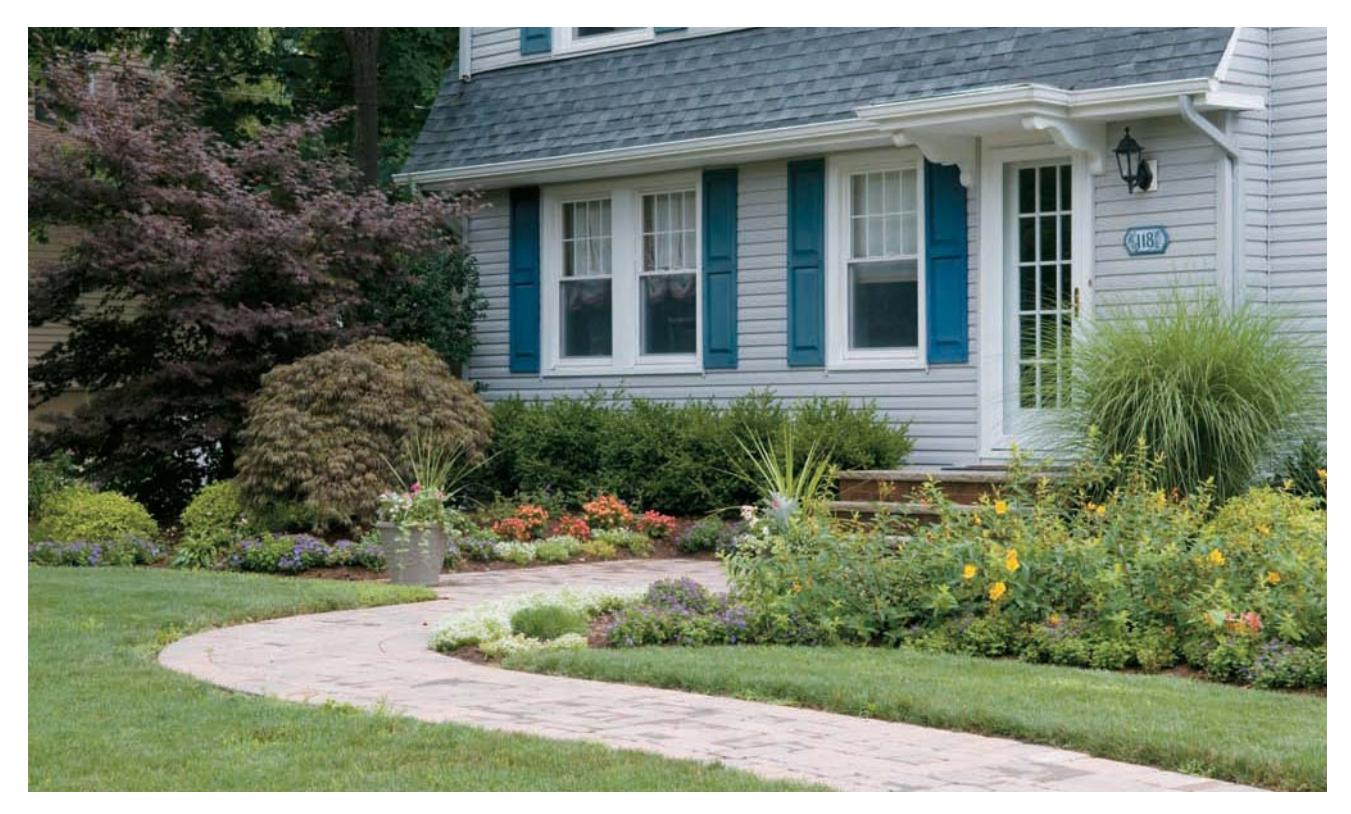
Be up front. It’s easy to forget the front yard when planning your landscape, but that’s a mistake. The varied beds bracketing the front door of this house feature a profusion of flowers and shrubs. The planting is composed so that the mass increases closer to the house. This guides the eye up from the lawn, to the structure of the house, and provides a lovely, soft visual transition from the flat to the vertical.
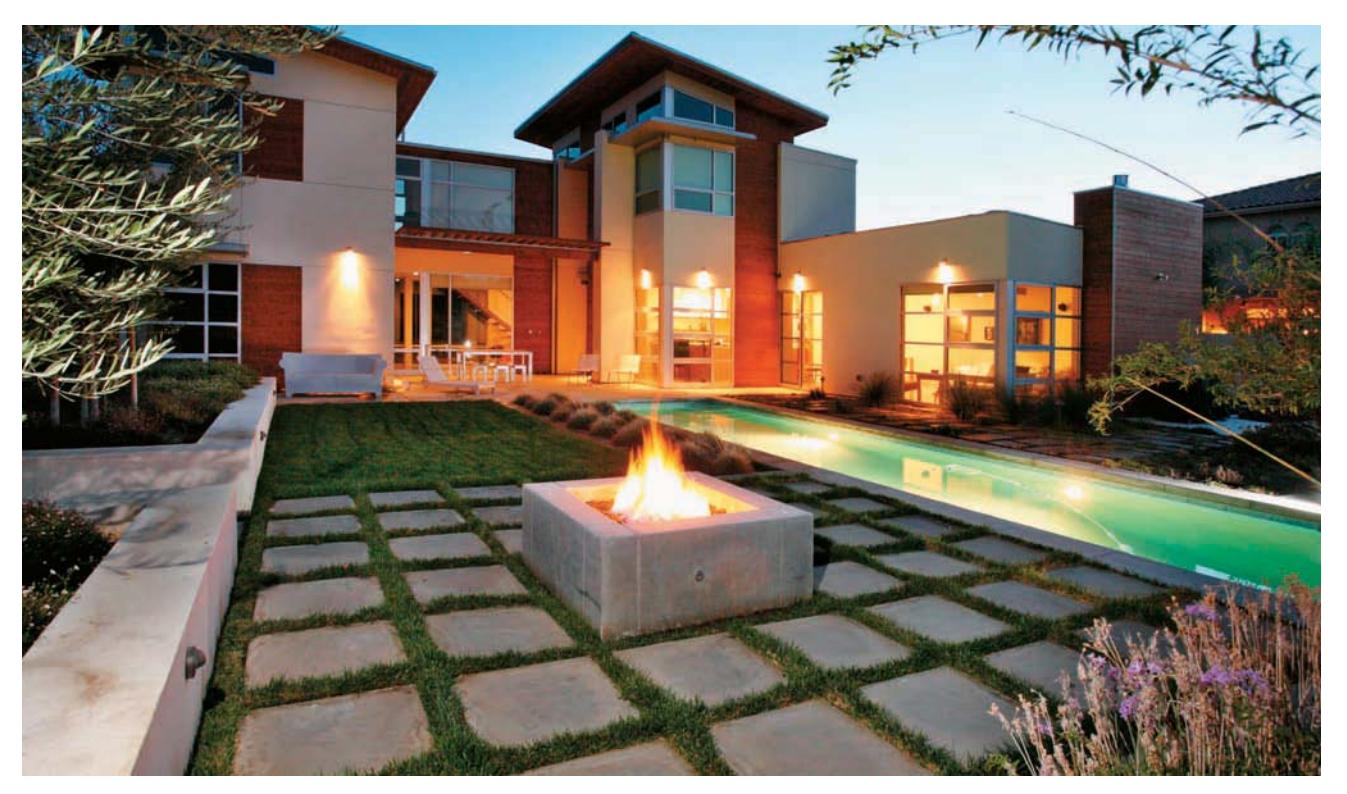
Add night-lights. The landscape at night can be every bit as much a draw as it is during the day. Proper lighting is key, both for safety and to illuminate the charm of your design. The pool in this yard is incredibly alluring lit from within, while the fire pit is a fascinating focal point that fairly screams, “Sit and relax.” Notice the open-grid design of the outdoor floor—it’s a great treatment to blur the distinction between plant life and hardscape.
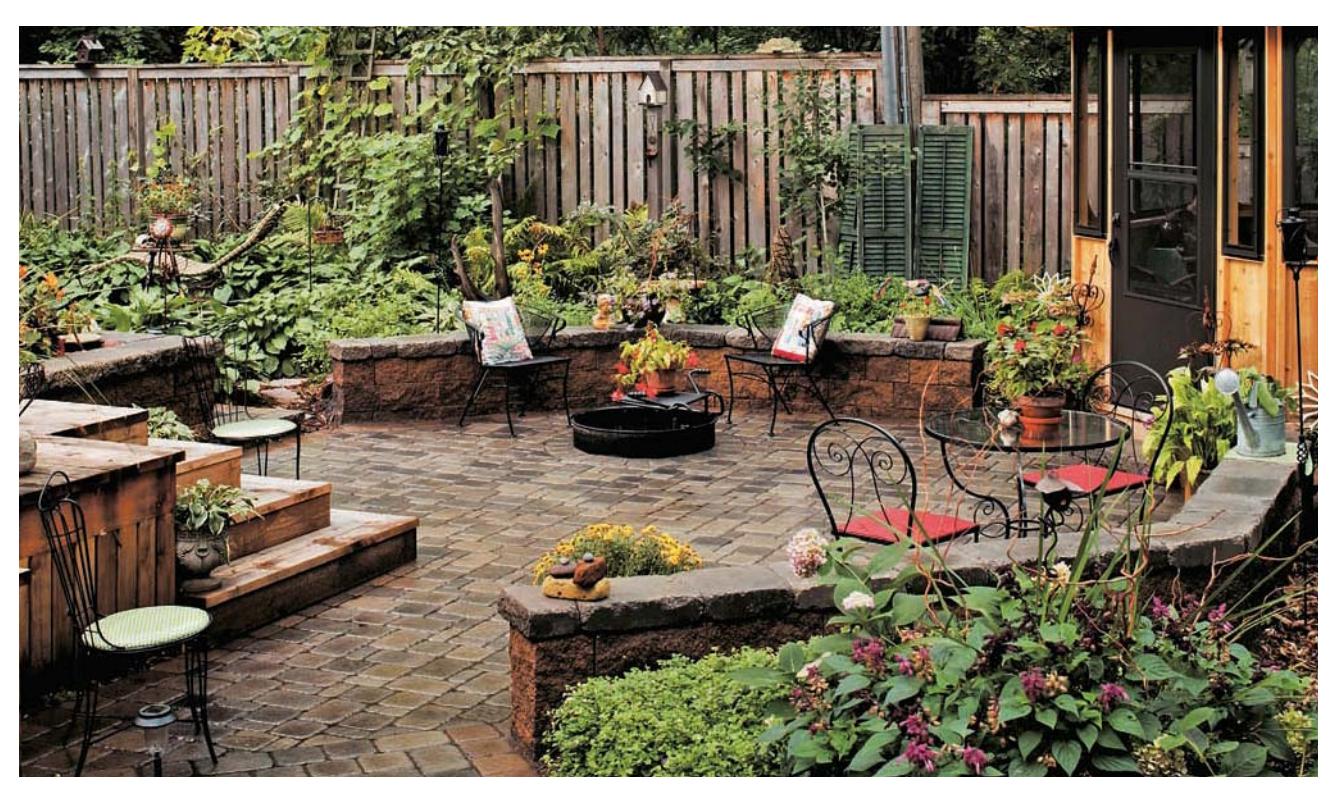
Make your fences fancy. Fences can be far more than simple privacy barriers. You can use fencing to partition off interior areas, as a way to create small, intimate areas within the larger landscape plan. You can also use fencing as it is in this yard, as a design element in and of itself. The simple, repetitive vertical lines of this fence create a continuity that ties together different areas in a rambling landscape. Think carefully about the style of any fence you build—it may be the perfect opportunity to accent your landscape.
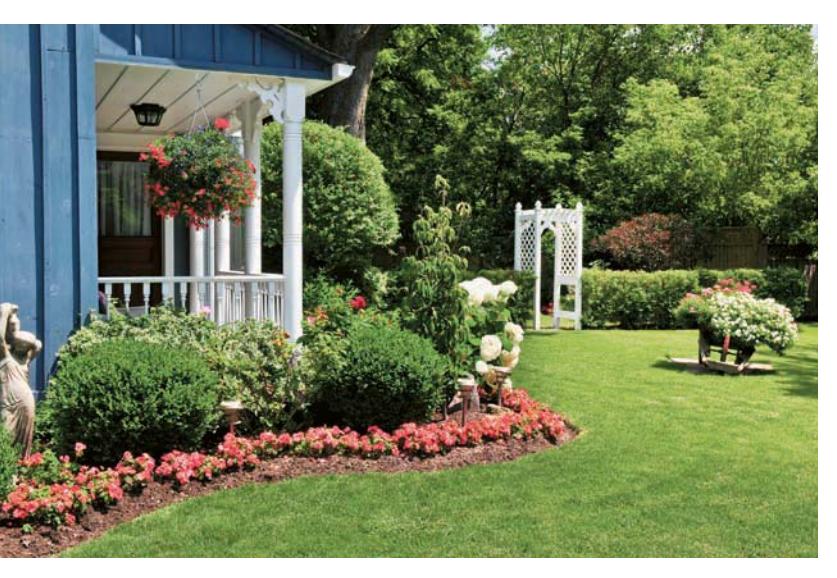
Divide your space. Creating separate outdoor “rooms” is a wonderful technique for designing around a large open expanse, such as a lawn. Here, a hedge and trellis arbor offer a visual boundary that creates a sense of mystery of what lies on the other side. The best landscape designs draw a visitor through the landscape, and that’s exactly what’s happening here. The homeowner has used the open area of the lawn to frame an interesting focal point—a wheelbarrow planter.
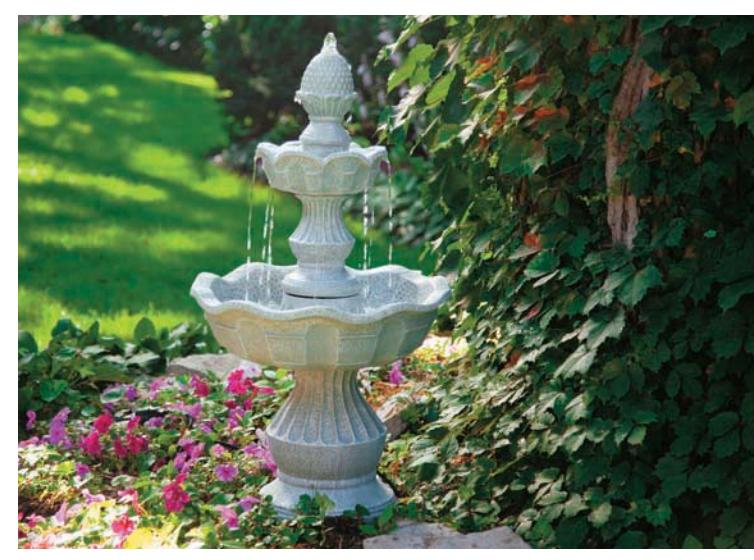
Double-down on romance. This is the traditional tiered “pineapple” fountain that suits many different styles of landscape or garden. The wide basin makes this a good choice for a bird garden because it doubles as a birdbath. The look is not ideal for informal gardens such as a country or cottage style, but it fits right in almost everywhere else. One of the great things about fountains like these is that you can use them as hidden-away surprise visuals, or as focal points in their own right, placed in the middle of a lawn, garden bed, or courtyard.
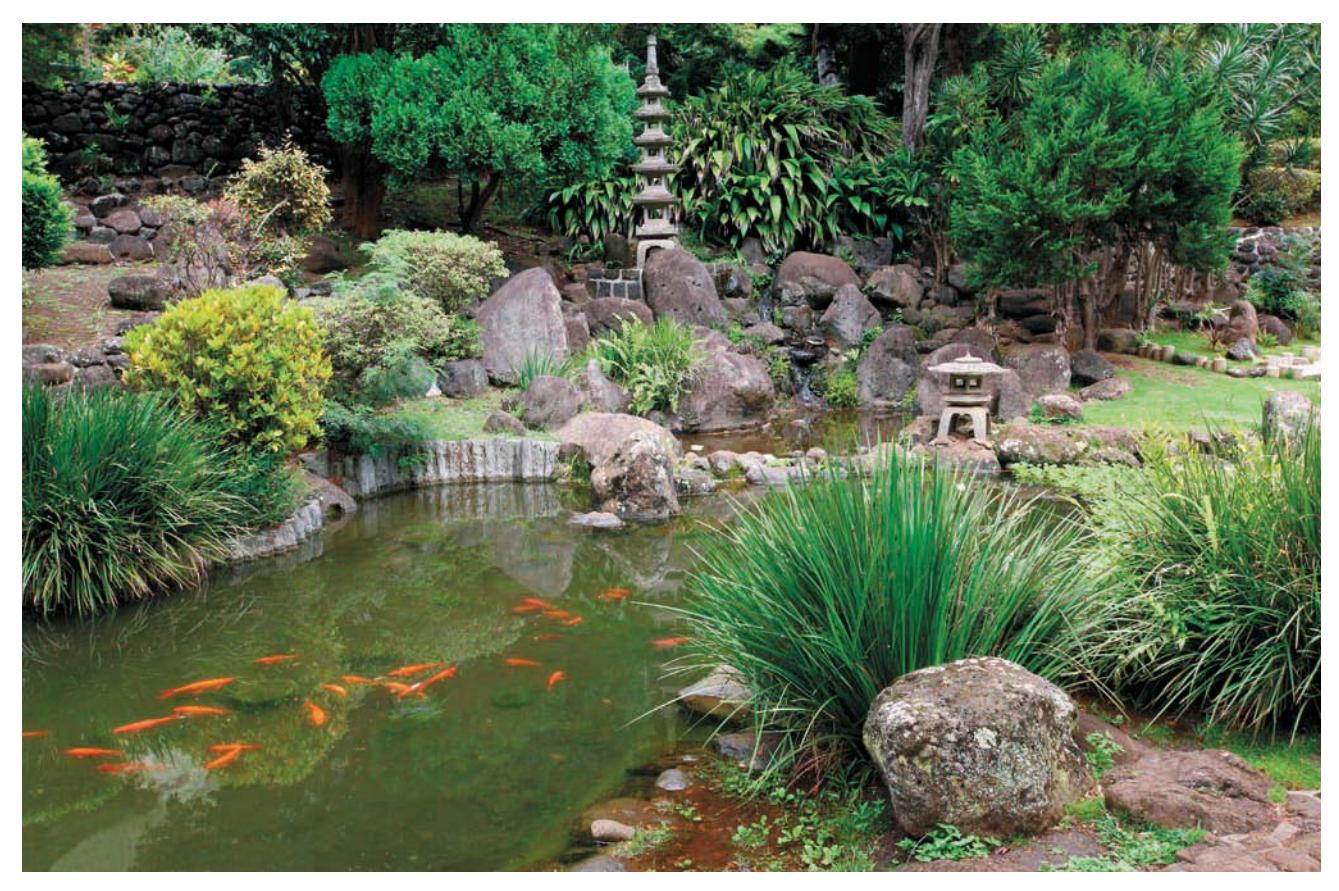
Introduce a water element. Water features are some of the most fascinating landscape elements. The koi pond in this large, wild landscape is accented with classic Eastern statuary. It’s an informal, stylish look that is perfectly suited to the naturalistic surroundings, and livestock always bring color and fun into your landscape.
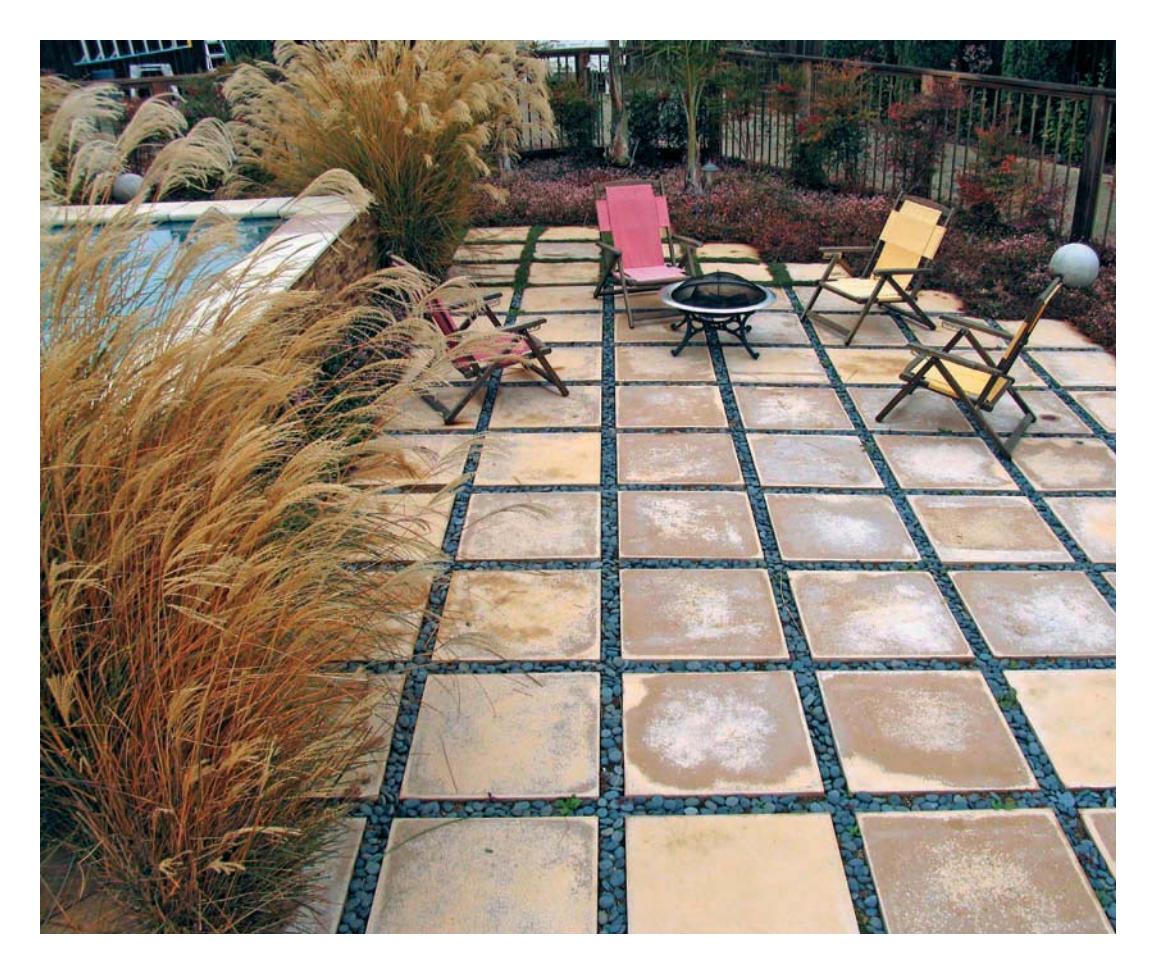
Mix materials to build visual interest.
Effective, livable landscaping often entails creating different areas—different outdoor rooms for different purposes. One side of this large yard has been dedicated to a sitting area defined by an open-spaced, square-cut stone patio with pebble infill. Bordered by groundcover and ornamental grasses, this area is as close to zero maintenance as you can get, and is also a droughttolerant design.
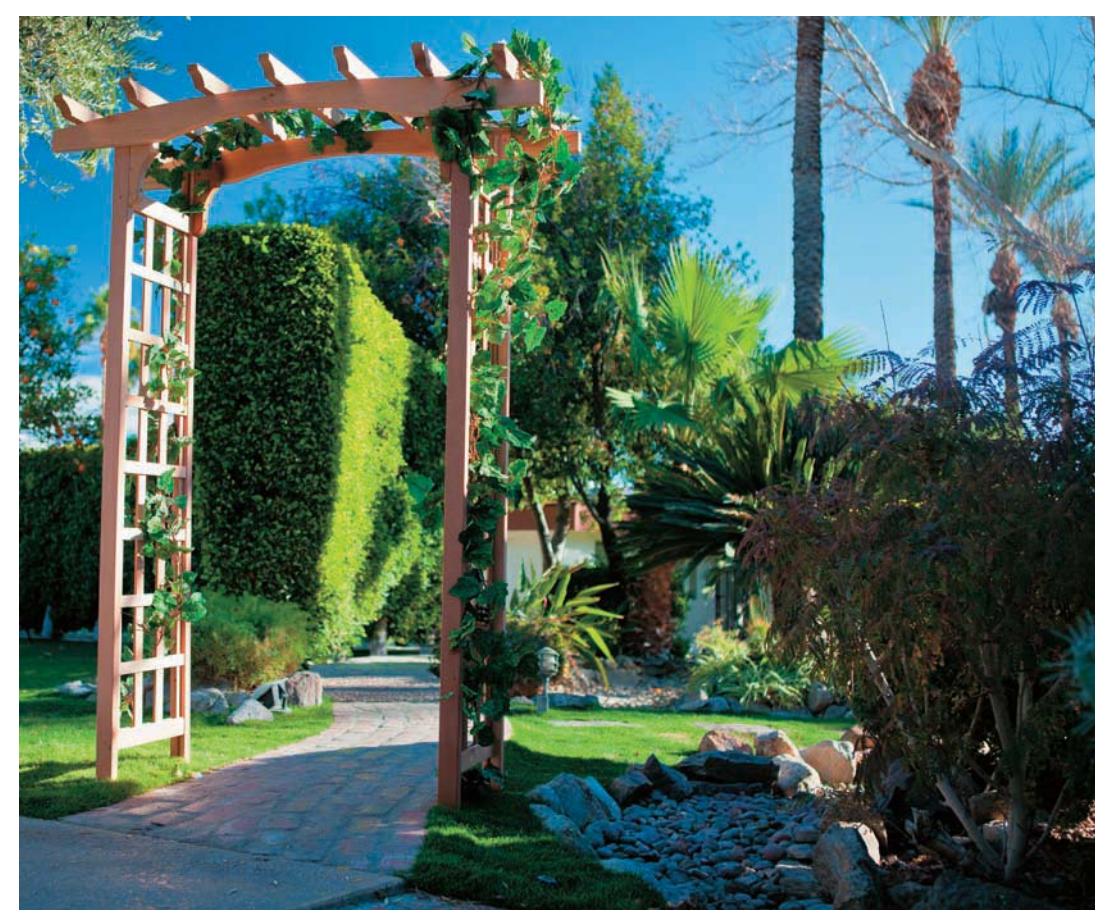
Direct traffic. Use arbors, pergolas, archways, or gates as invitations, leading people where you want them to go in the landscape. Wood is an obvious choice for these types of structures because the material blends in well with the plant life in a lush landscape. A simple vine has been trained on this pergola with trellis side panels, softening the lines of the structure and further melding it into the surrounding landscape.
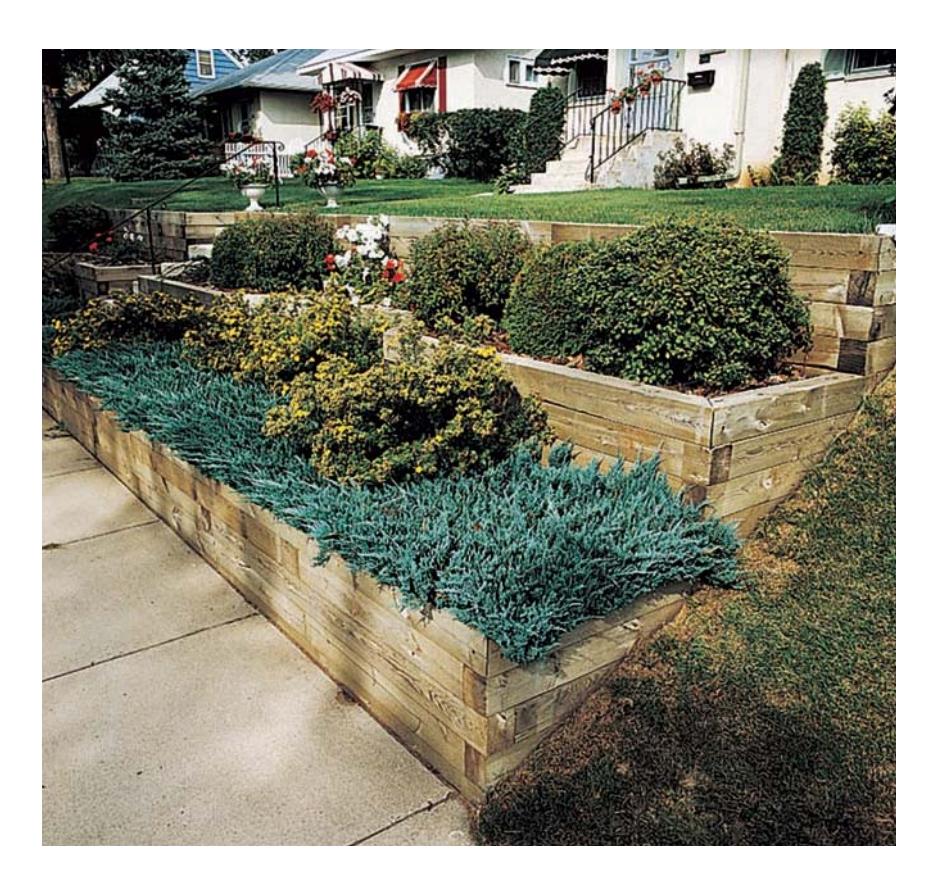
Try terracing. Slopes can be a big challenge for the home landscaper. There are lots of ways to deal with a slope, but one of the best and longest lasting techniques is to terrace the slope. This front yard features stacked timber retaining walls to create terraces filled with evergreens. It’s a well-defined, easy solution that could successfully be applied to many different sloped sites. The solution is also fairly inexpensive—never a bad thing in a landscape design.
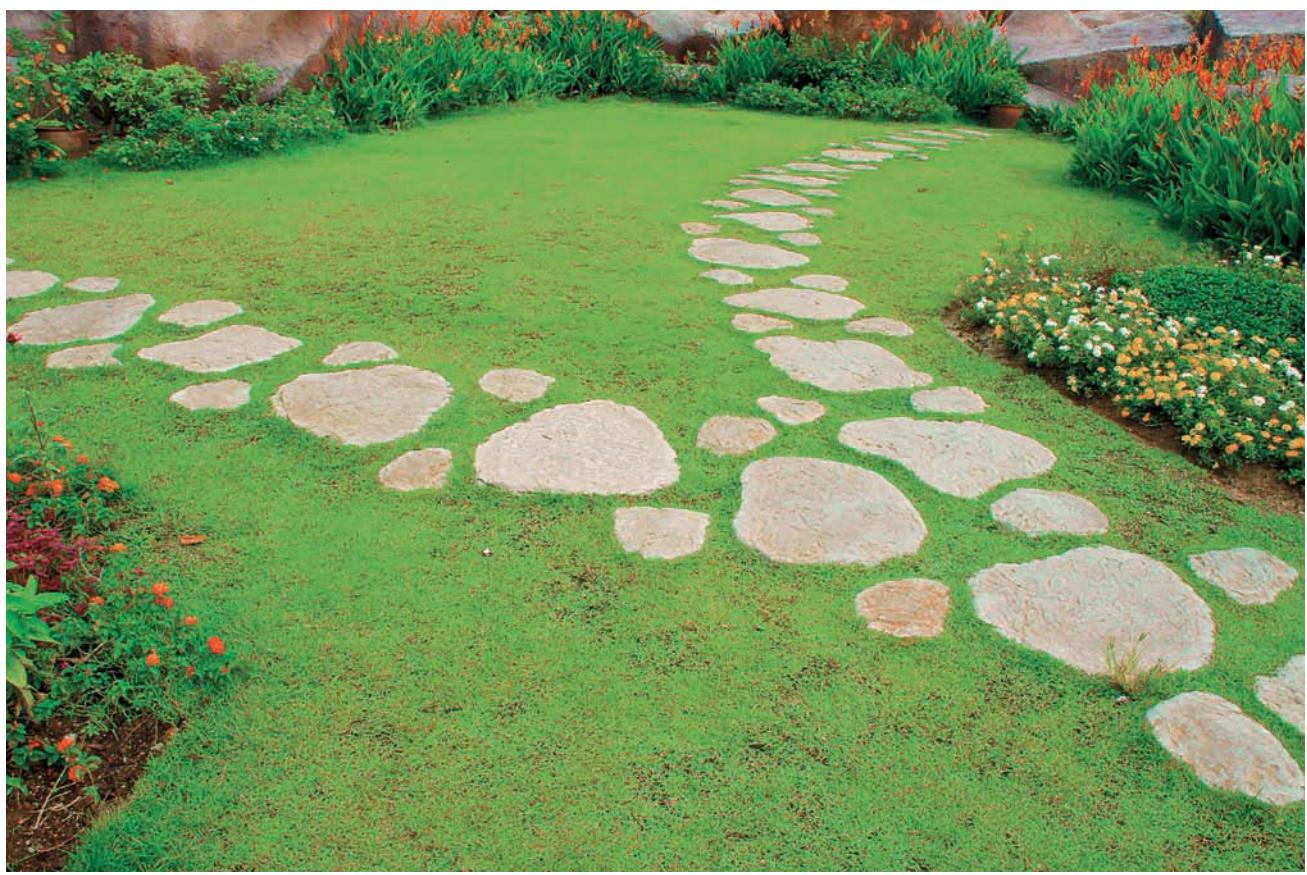
Freeform is fun. There are an amazing variety of pathway styles to choose from for your landscape. The steppingstones used in this setting are a simple-to-install option that can be arranged to accommodate just about any layout, such as following the shape of the lawn here. Steppingstones are excellent when used in or across an expanse of lawn, because mowing over them is a cinch. The look is informal, though, and you should be sure that it matches the design style you’re trying to set.
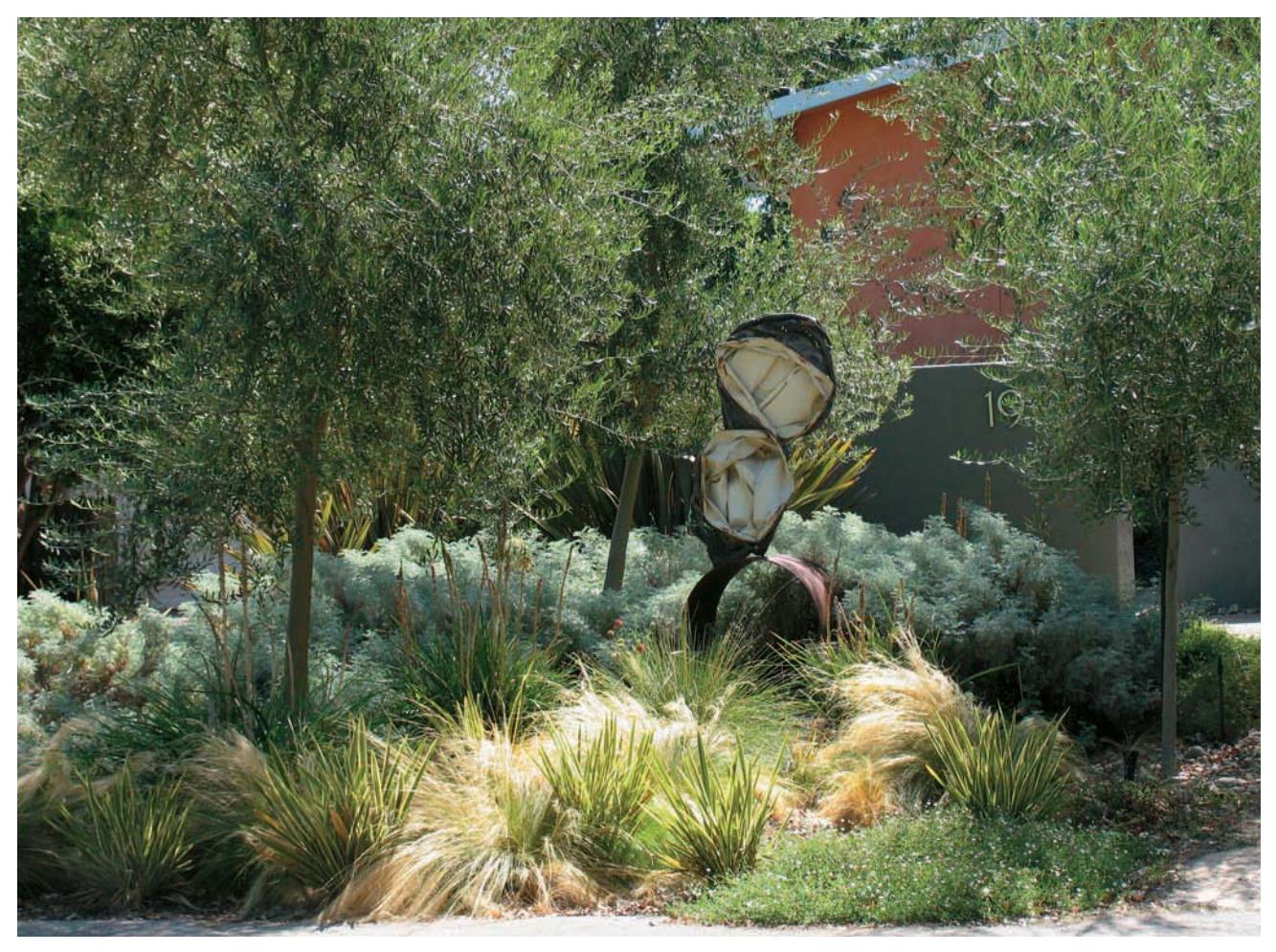
Make room for art. Landscape sculpture can be the perfect way to put your fingertips on a design. Sculpture should be carefully chosen not only to suit the style of your landscape, but also to ensure that it survives the elements and ages well. A single sculpture is often more effective than a group of scattered collection throughout a garden or landscape. The abstract metal piece here perfectly complements the informal bed of trees and ornamental grasses in which it’s placed. It will fit in just as well as it ages and acquires a lovely patina of rust.
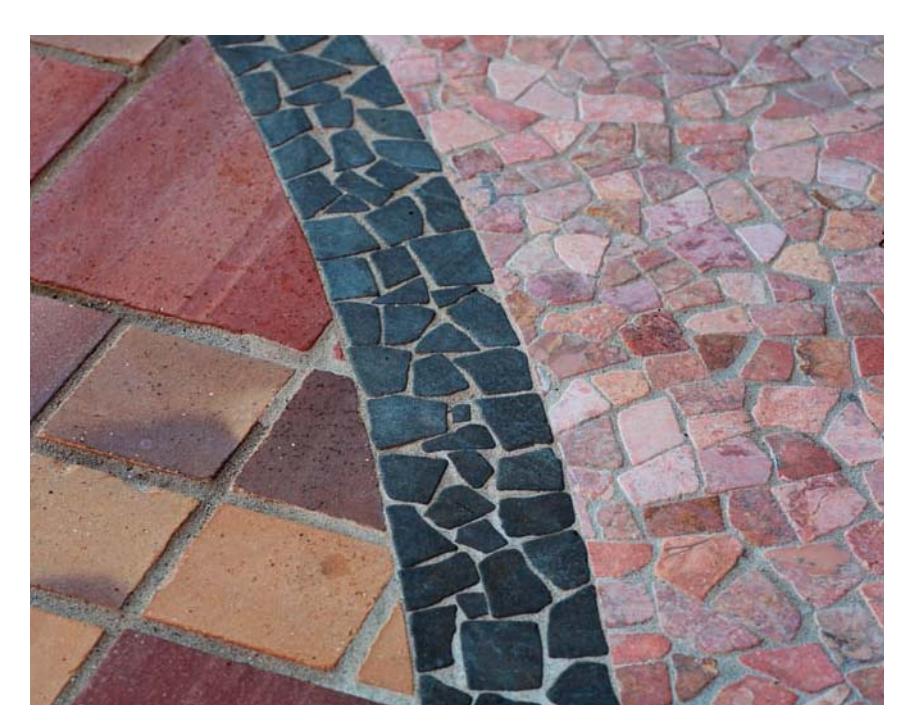
Create an outdoor floor. Hardscaping the use of hard surfaces in landscaping—offers great potential to get creative. Not only can you choose from a wealth of paving styles and materials, you can mix and match for dynamic effect. This mortar-set includes a formal linear field of bricks in various sizes and shapes, a thin border of flat black sliced pebbles, and an outer border of small, irregular stone pieces. It’s enough to steal attention from any garden scene.
Landscaping Styles
Some yards are blank canvasses waiting to be painted. Your house may be a basic structure that doesn’t urge you in any particular design direction, and the local plant life and terrain may not be particularly distinctive. In this case, the door is wide open for you to choose a landscape style that reflects your tastes, suits the layout of your yard, and nurtures the way you want to live in your outdoor room.
In other cases, the local environment and surroundings may provide very strong indicators of an appropriate landscape style. You’d be wise to listen to these cues. For instance, if your home is located in a desert region of a southwestern state, you’ll probably want to develop your landscape design around certain plants and features common to the area, including succulents, water-conserving hardscape and groundcovers, and shade structures. A cottage garden would simply not fit and would always look like a sore thumb—just as a desert landscape would look wrong attached to a New England home.
The location of your home may allow for multiple design possibilities. A coastal home that isn’t on the water, for example, could look great with a sandstrewn seaside landscape, a Mediterranean villa look, a cottage garden style, or even a formal design.
Start by looking at plants and outdoor structures in your area. Look beyond other yards to parks and botanical gardens that often present many different styles of landscaping. When you’ve narrowed in on a sense of the style that most appeals to you and would be most appropriate for your home and yard, begin refining your ideas by checking out the images on the following pages.
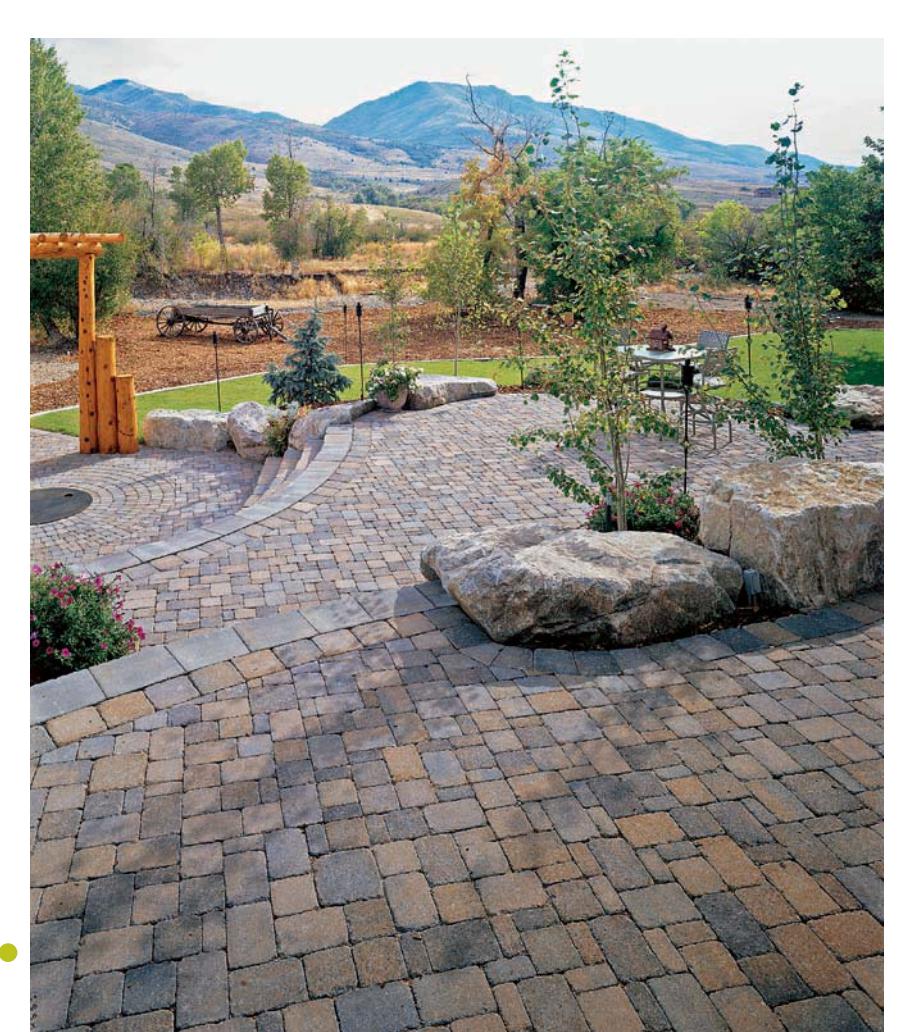
Echo your environment. It is often best if the landscape style takes its cues from the surrounding geography and climate. This is especially true when the environment and terrain are distinctive as with a seaside home, or the high chaparral shown here. The design of this large yard takes advantage of the bordering wide-open plain and mountain views by leaving the property undefined by a fence or row of trees. The native terrain is allowed to blend into the yard, and along with terraced patios, native plants are used sparsely, in keeping with the practical realities of the drought-prone region. An antique horse-drawn wagon is used as yard sculpture to reinforce the open-plains feel of the yard.
Landscaping Style: Modern Scenic
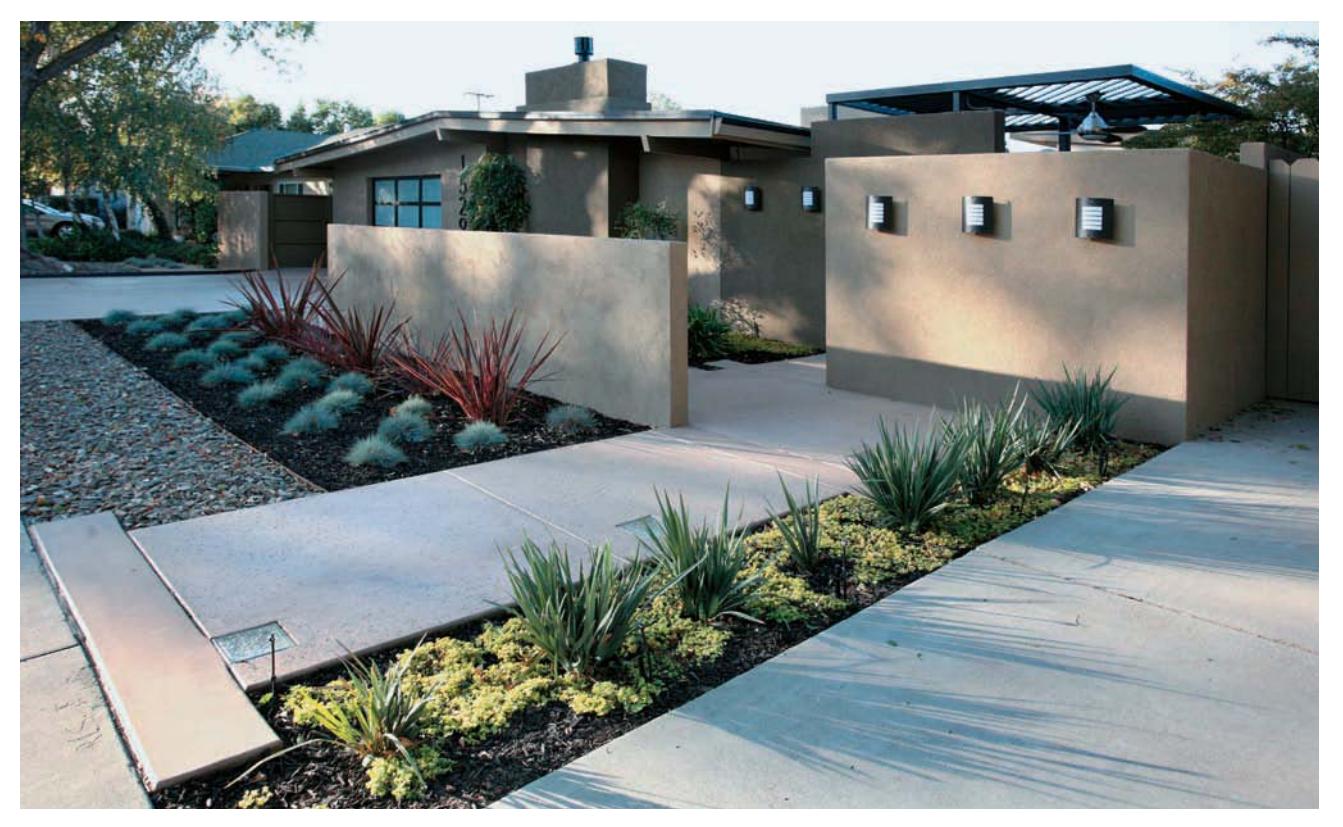
Repeat. Repeat. The trim, straight lines and spare aesthetic of a modern home begs for the same treatment in its landscape. The designer of this front yard has obliged, using simple, repetitive plantings featuring regimented rows of spiky foliage plants with plenty of space left between the plants. The beds are formed of the same geometric shapes that dominate the walkway and the house itself. The modern look has a bonus feature of a water-conserving, low-maintenance landscape.
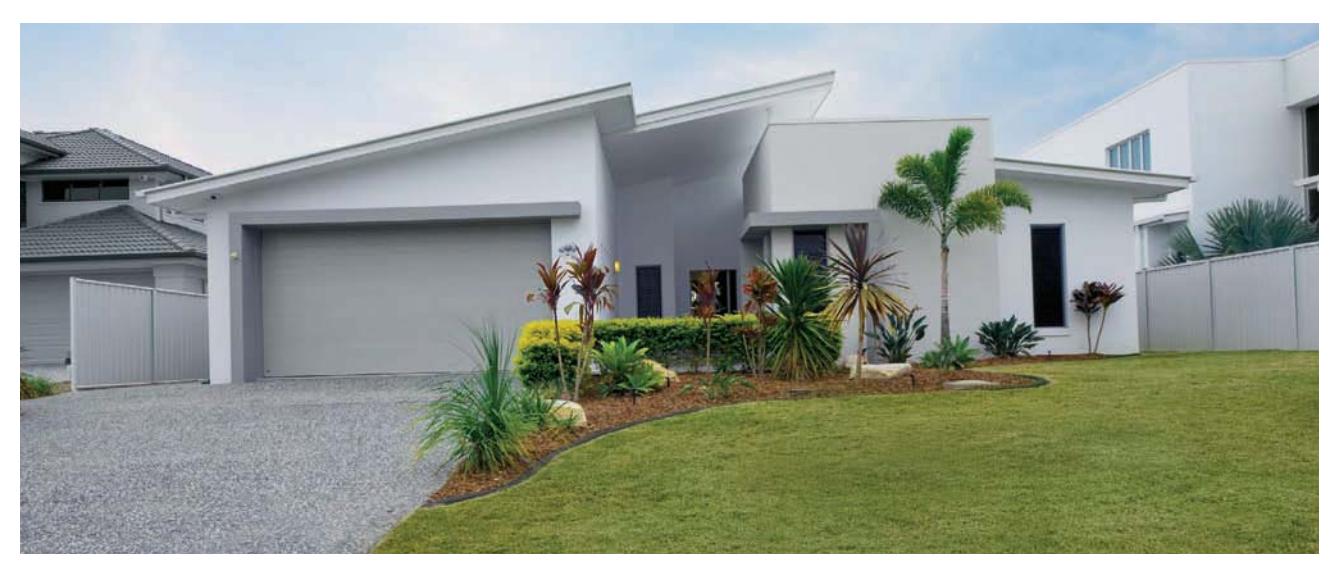
Less may be more. Modern architecture is all about linear perspective and minimal ornamentation. Marrying a landscape to a modern house can be challenging, but not if you throw out the conventional wisdom of what a landscape should be. Here, a curving bed provides a modicum of visual relief from the hard lines that define both yard and house. The bed is planted with drought-tolerant, hot-weather species that require little in the way of upkeep. A lawn of hot-climate grass will go brown when dormant in the hottest part of the summer, but cut short it will still have a clean, sharp look in keeping with the rest of the design. When it comes to modern-style landscapes, less is often more.
Landscaping Style: Wooded Retreat
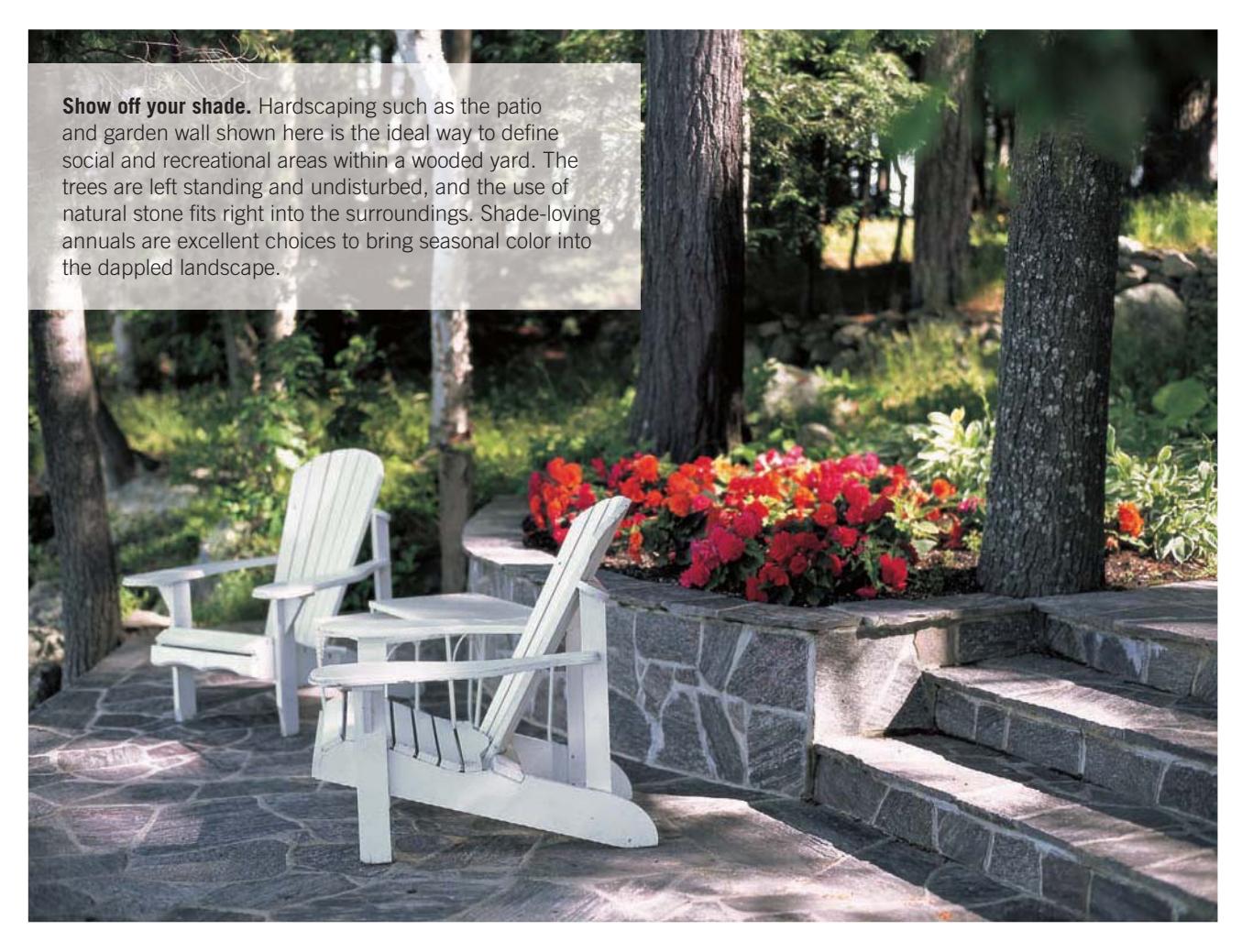
Keep it natural. Landscaping a wooded yard sometimes means bending to the will of the environment. The trick in working with a wooded landscape design is to balance the wholly natural appeal of a copse of trees with the variation the eye expects in a designed landscape.
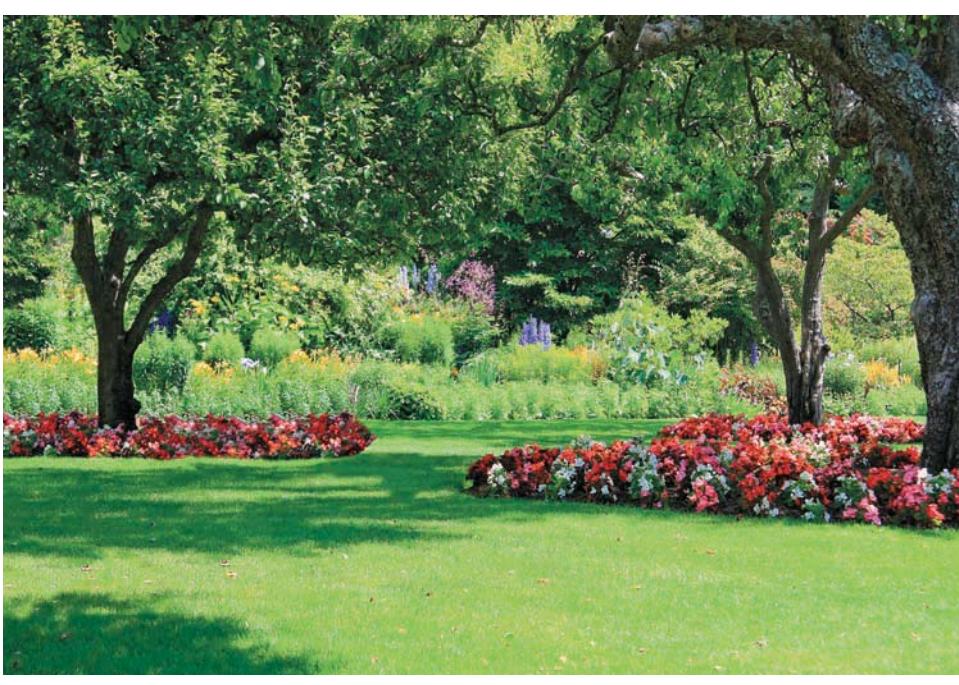
Landscaping Style: The Formal Garden
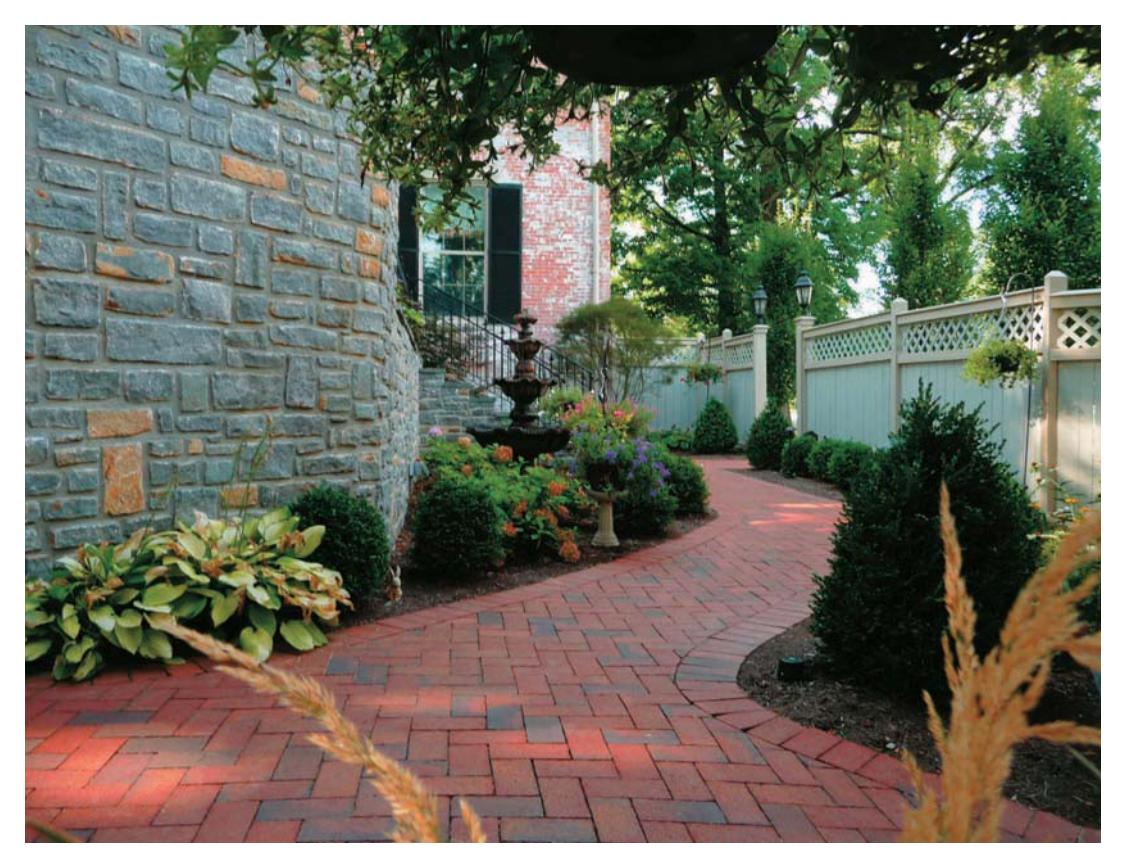
Combine classic patterns.
Distinctive architecture often sets a tone that the landscape can follow. Stone walls offer a stately look that is complemented by an entryway and side yard paved with a sophisticated brick pattern. A simple fence with latticework top panel and carriage lights provides a fitting boundary, while beds lined with trimmed ballshaped shrubs and a three-tier fountain add a dignified polish to this design.
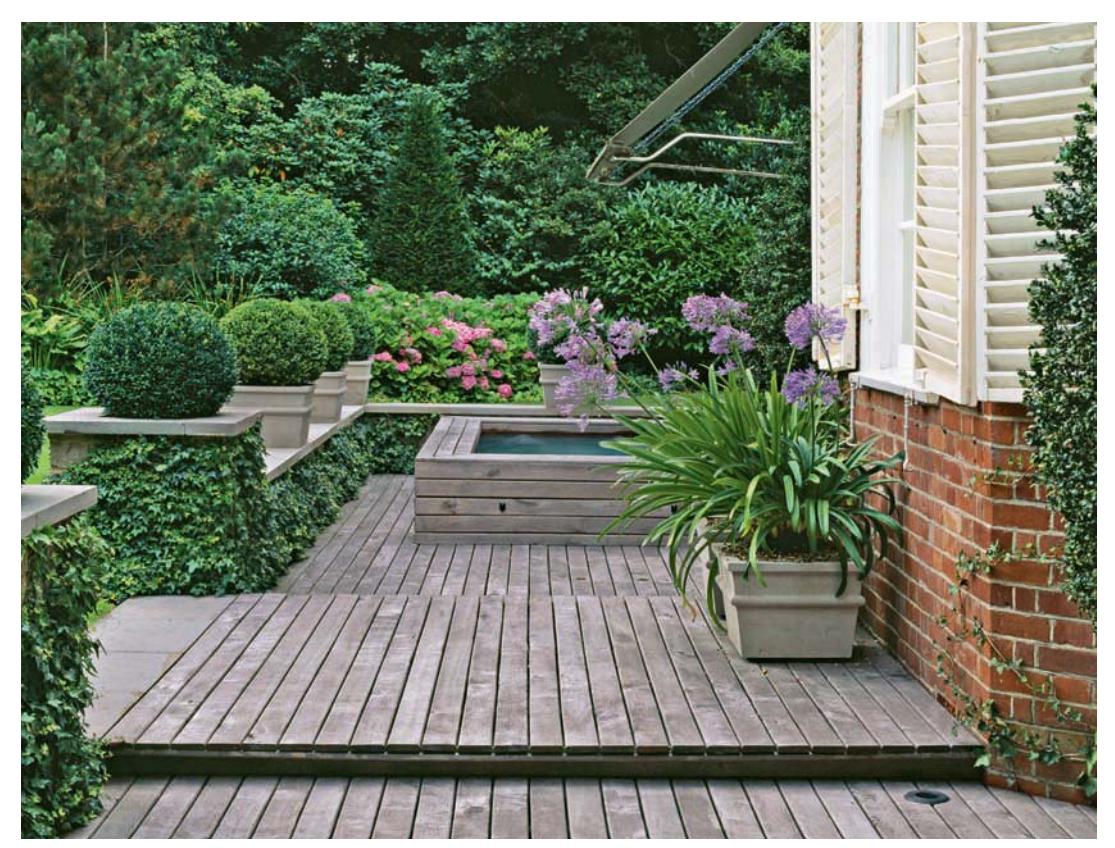
Prune a shrub or tree to add formality. Formal landscapes are defined by particular elements. Repetitive features such as the planters in this yard—and cultivated shapes like the topiary that occupy those planters—are both strong indicators of formal landscape style. Straight lines are another, established here in the weathered decking. If you’re after a formal aesthetic, consider features such as these to define the look.
Landscaping Style: Magical Cottage Garden
You can’t go wrong with roses. Cottage gardens are all about tumbles of flowering plants cascading across the landscape—especially roses. It’s a joyously untidy, unconstrained look that seems haphazard and overgrown. In reality, cottage gardens require a good amount of maintenance to keep all the blooming plants healthy. You may fall in love with the romantic look, but unless you have a green thumb, think twice about trying to replicate this style in your own yard.
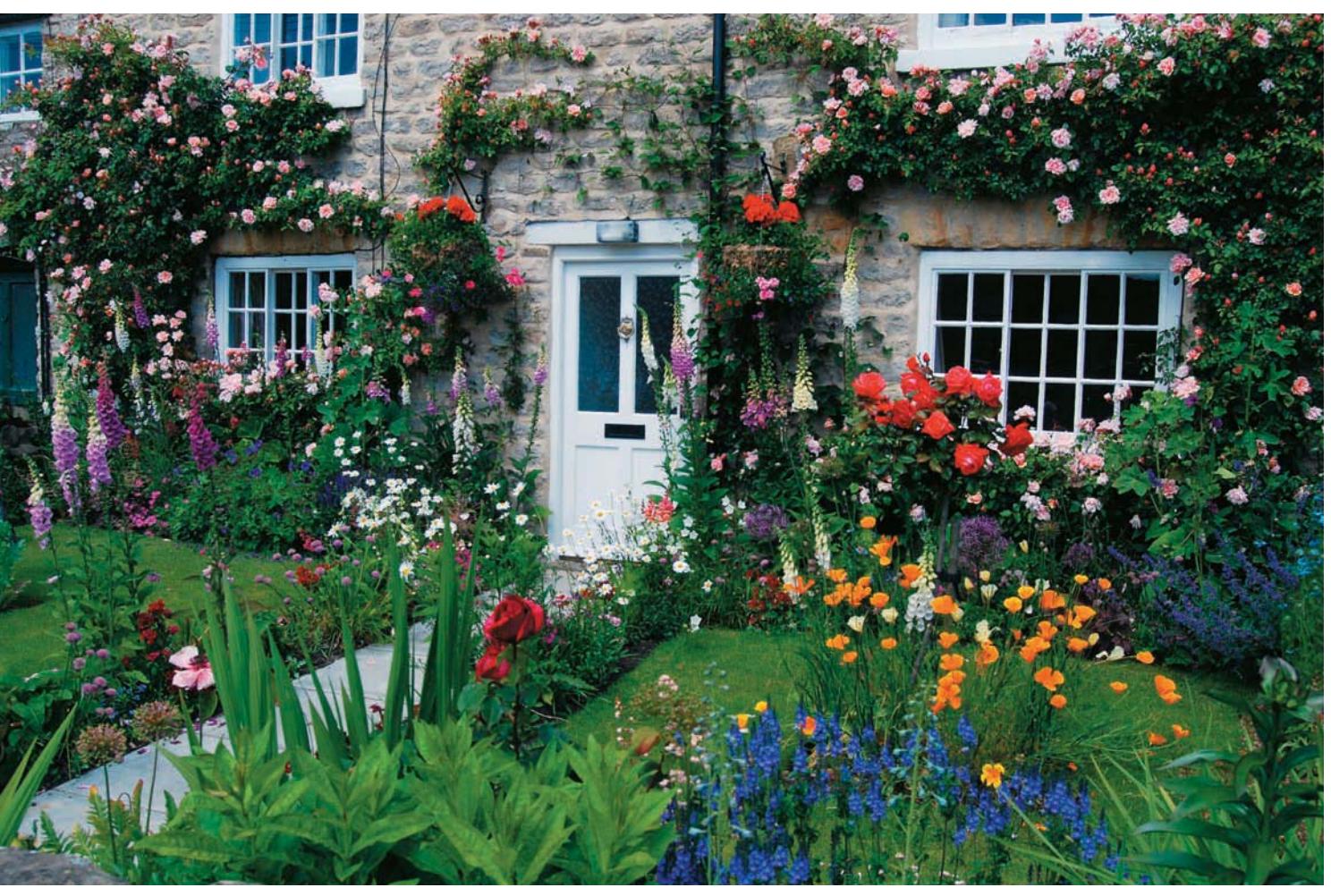
Train your plants well. A cottage-garden landscape style is best suited to small yards, and buildings that reinforce the style, such as Victorians, stone buildings, and of course, cottages. Training climbing plants—both roses and blooming vines—is a key part of the look. Lawn surfaces should be kept to a minimum and bordered by sprawling plants and blooming shrubs.
Landscaping Style: Grass-Covered Outdoor Room
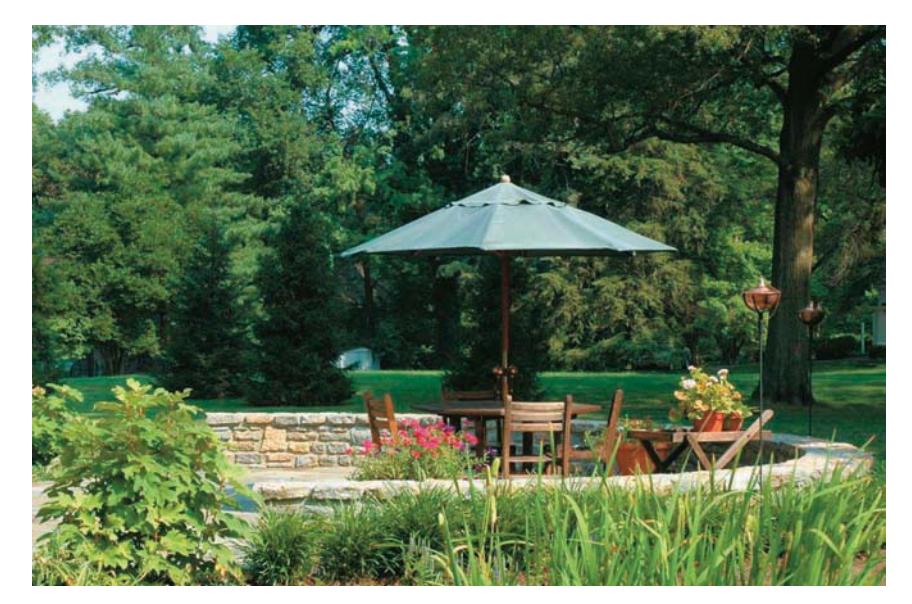
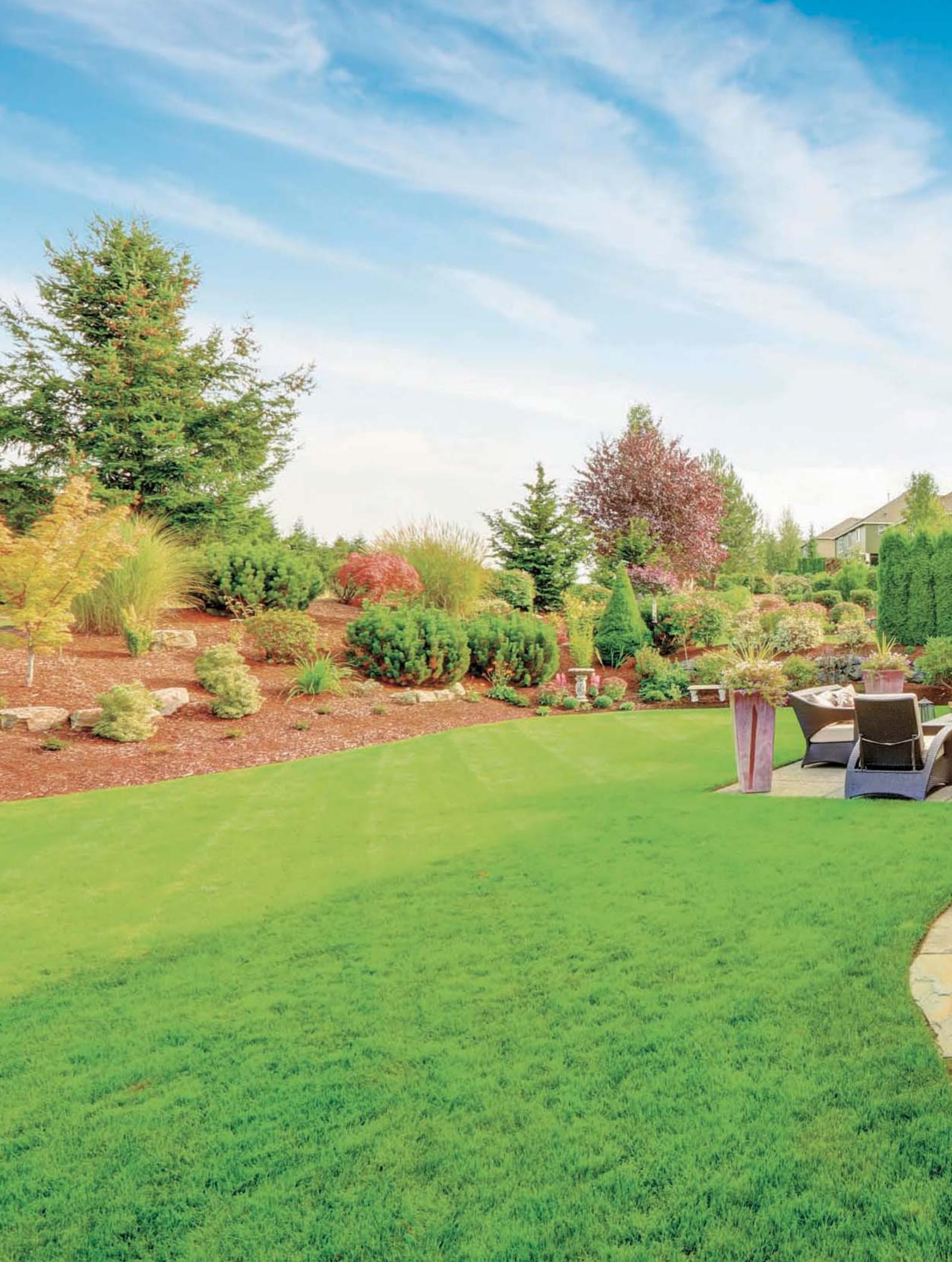
Think theatrically. A big expanse of lawn is like a stage on which you can compose elements. Beds, trees, and other features can be unified into a coherent landscape design by wrapping lawn around them or vice versa. It’s the thread that holds the look together. A peninsula patio such as the one in this yard becomes a platform for the audience—a place to not only unwind, but to enjoy the interplay of elements amid a sea of green.
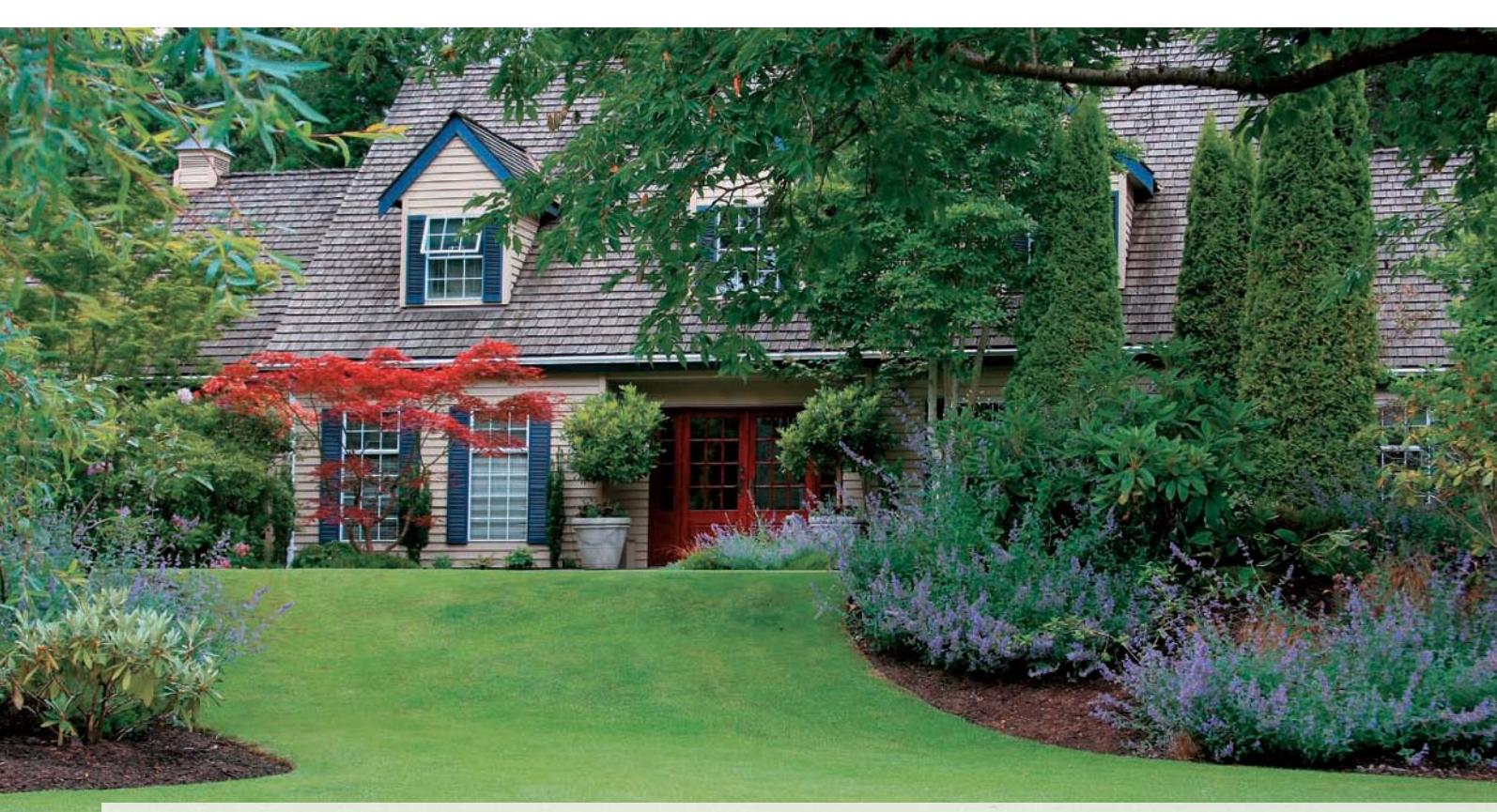
Curved borders soften lines. The front yard lawn is a traditional landscaping element for the American home. But there’s simply no need or excuse to settle for a boring green rectangle unaccompanied by any other signs of life. As this image clearly demonstrates, a variety of plantings creates a unique interplay between the solid green, flat surface and a mixture of plant colors and shapes. This front yard incorporates small trees, a trio of tall arbor vitae standing like guardians before the house, and a beautiful shrub bed with a scattering of mixed colors. Trees in containers add even more of an interest to the lawn’s smooth, unvarying surface.
Landscaping Style: Zen Scene
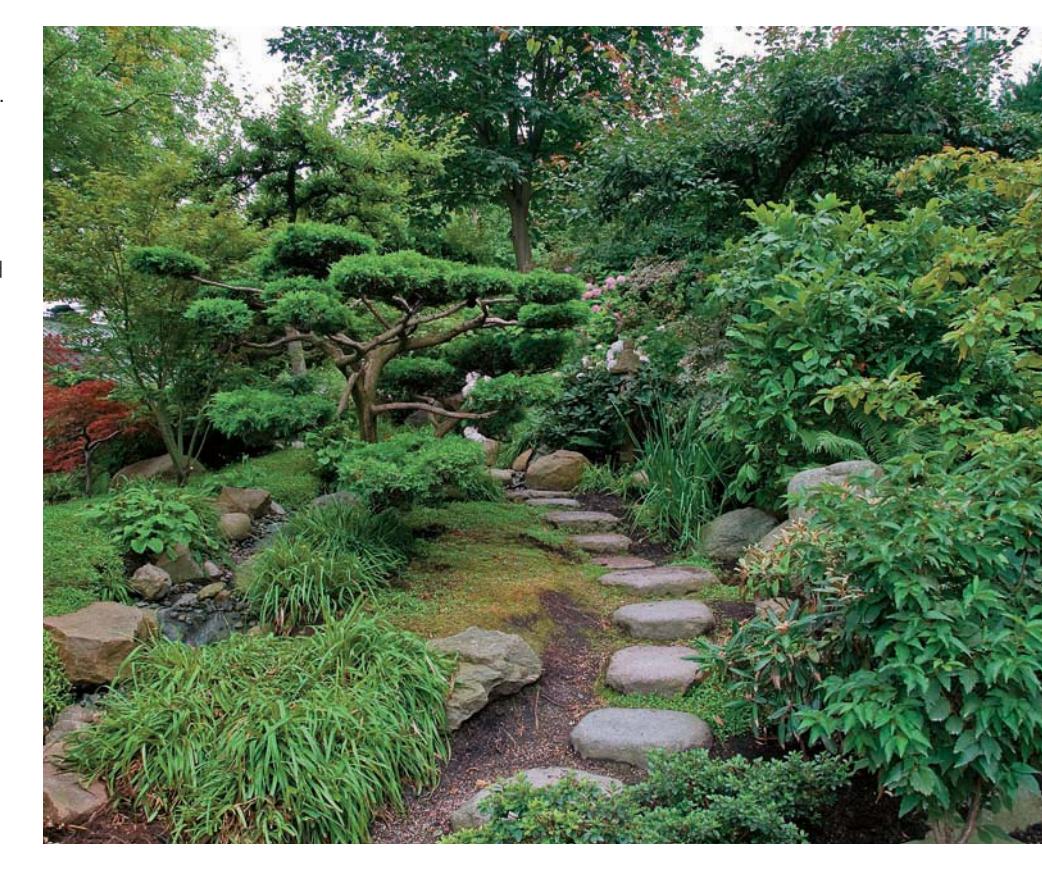
Seek tranquility. Designers of Japanese gardens create drama from natural forms in the landscape. Typical of the style, slab steps seem to float up out of the earth in this garden, and a small evergreen has been manicured into tree form with cloud-shaped greenery. The idea behind each element is subtlety and restraint and a truly organic feel, as if nature itself had decided to lay a path or trim a tree.
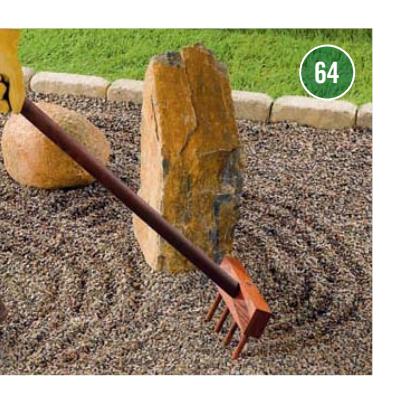
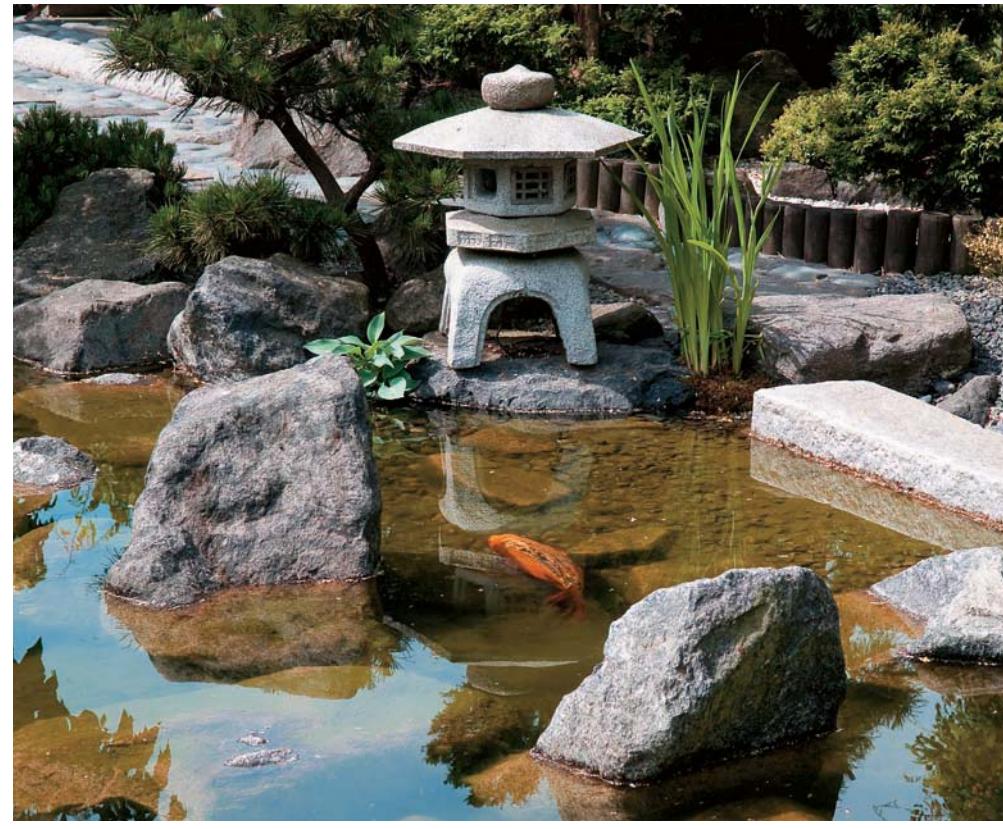
Get centered. Decorative sculptures are often a part of Japanese-style landscapes. The design rarely incorporates more than one, and the sculpture is usually a culturally significant representation. This mini pagoda sculpture is typical, although seated Buddha sculptures are frequently used as well. The sculpture is usually nested among dense plantings and less often used as a centerpiece for a raked stone or sand bed.
Landscaping Style: The Country Retreat
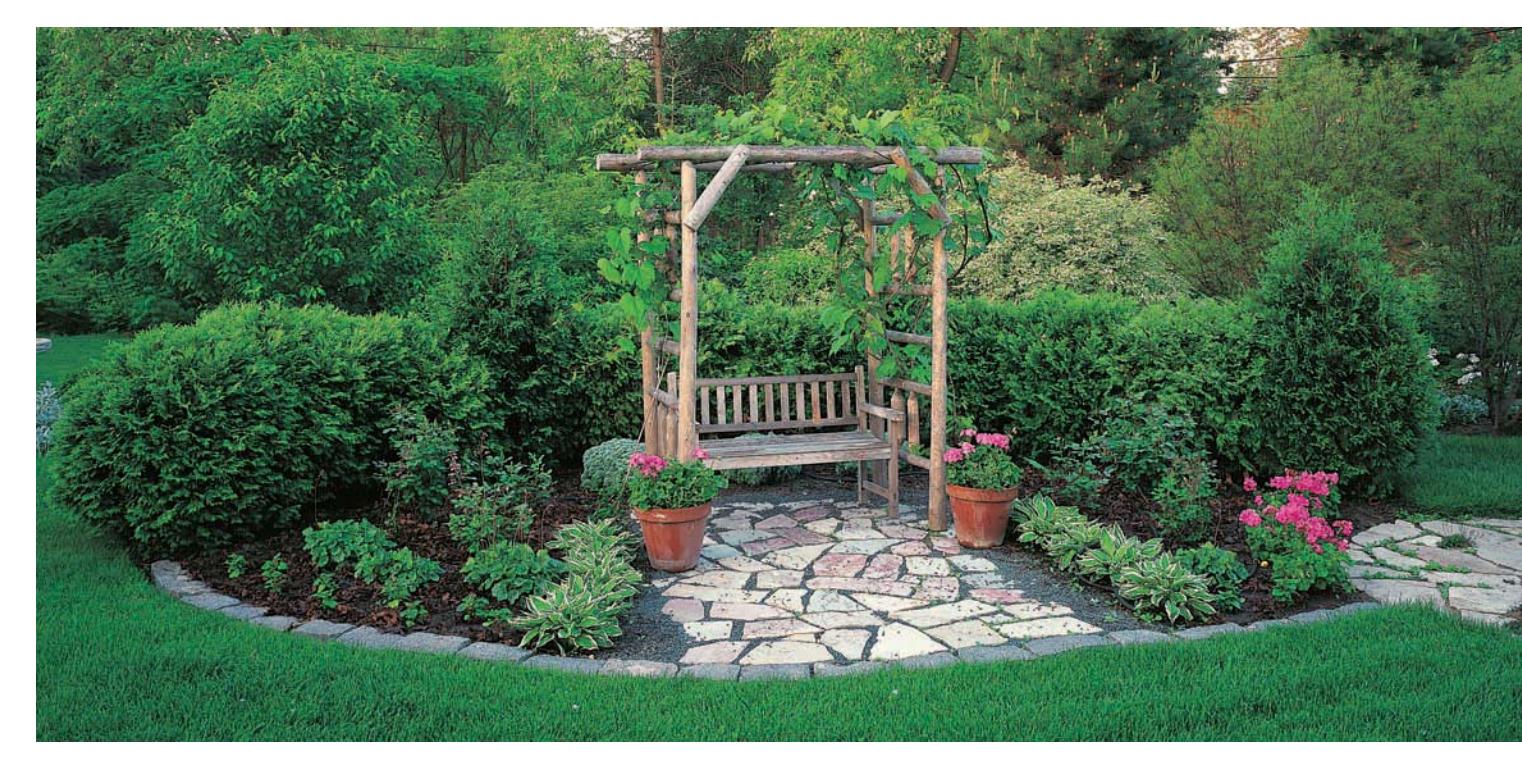
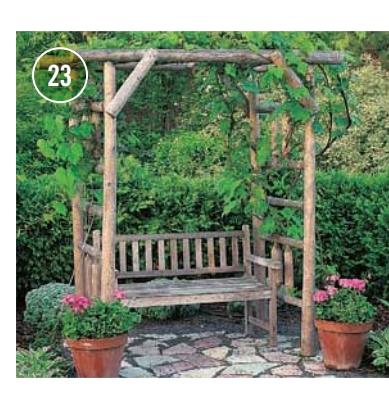
Choose rustic furnishings. A pole arbor and matching bench provide a restful retreat in the middle of a foliage-dense countrystyle setting. Structures like arbors, trellises, planters, and fences are great ways to announce a style amid plantings that could cross over between several different looks. This structure with its overhead vine exclaims “country” through and through.
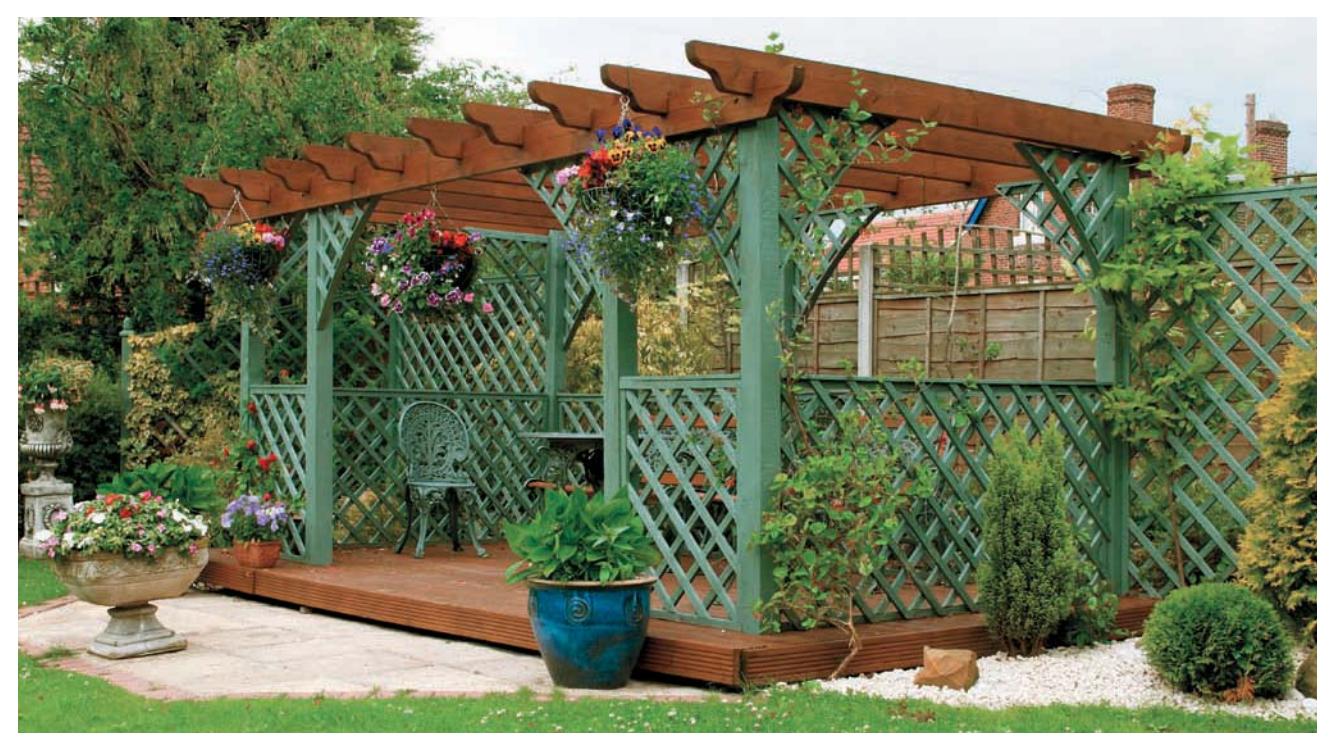
Capture chaos. Detailed screens, a pergola, and decking bring order to this landscape where the plants do not. They climb through fences and up posts, and create an irregular border. This is a great way to use contrast to your advantage—attractive, ornate, and orderly structures offset by unruly plantings to provide stunning surroundings.